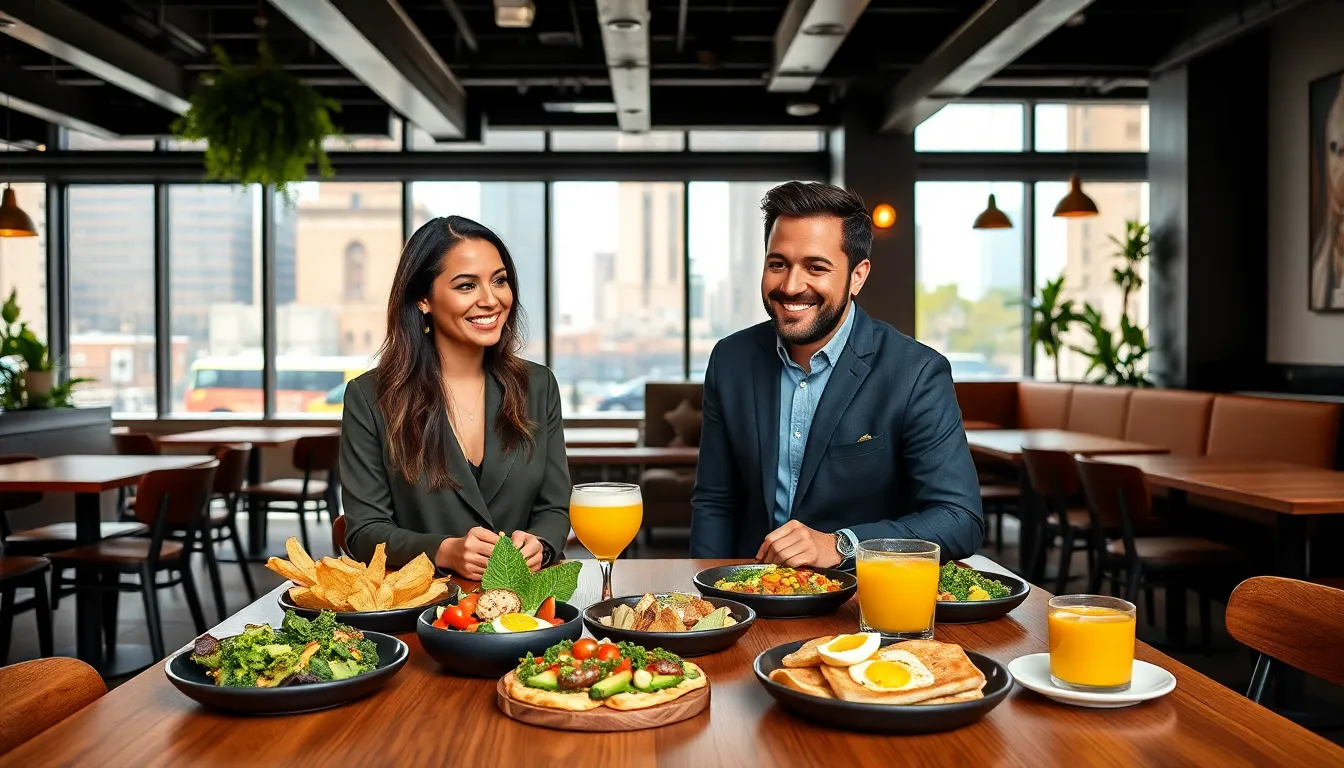
When it comes to the food and beverage industry, staying trendy is as crucial as knowing the difference between a latte and a cappuccino. Picture this: kale chips becoming the toast of the town while your grandma’s classic meatloaf sits idly on the shelf. These trends have a way of catching on faster than you can say ‘organic avocado toast.’ In this text, we’ll jump into the sizzling world of food and beverage trends, from health fads to sustainability efforts, and maybe even discover the next big thing for your next dinner party.
The Evolution of Food & Beverage Trends

Food and beverage trends are as dynamic as the seasons, constantly shifting and evolving. In the past few decades, we’ve shifted from a society obsessed with convenience to one that craves quality and authenticity. Remember when fast food reigned supreme? Now, more people want to know where their food comes from. This evolution isn’t just about taste: it’s cultural. It reflects travel, globalization, and even social media influence. As influencers upload their colorful smoothie bowls, the quest for food that looks as good as it tastes continues. With a single hashtag, viral trends like ultra-processed foods or gourmet street eats can erupt overnight. Think artisanal everything, bread, cheese, even pickles. It’s no wonder that chefs and consumers alike are scrambling to keep up.
Health and Wellness Focus
Today’s consumers are more health-conscious than ever. Health and wellness have evolved from niche interests to mainstream obsessions. Users flock to plant-based diets, adaptogenic herbs, and gluten-free options as though they could sniff out the next health craze. For instance, the popularity of turmeric lattes is not just about the taste: it’s about that golden superfood. Also, functional foods, think snacks that offer benefits like improved digestion or enhanced immunity, continue to surge in popularity. Eating well has become a lifestyle, a badge of honor that people wear proudly. They share their food choices on social media, creating a ripple effect that influences even the most reluctant eaters to join in. For restaurants, this trend means offering more wholesome, yet tantalizing options. They’ve tapped into the wellness wave, understanding that a healthy menu can be a profitable one.
Sustainability in Food Practices
In an era where climate change headlines fill the news, sustainability in food practices is no longer just a passing trend, it’s an urgent demand. Consumers are becoming increasingly aware of their food choices and their implications for the planet. Sustainable practices now include sourcing local ingredients and supporting ethical farms. Retailers and restaurants alike are striving to reduce waste, transitioning to zero-waste policies and composting initiatives. A thriving movement toward plant-based options emerges too, as many aim to reduce their carbon footprint. It’s not merely about what they’re putting on their plates: it’s about how their choices impact the environment. Expect to see more menus featuring seasonal vegetables and ingredients sourced from upcycled or regenerative farming practices. People want to enjoy their meals without carrying the weight of environmental impact on their consciences.
Emerging Global Cuisines
As cultural exchanges become more prevalent in today’s world, so do the flavors that come with them. Consumers increasingly crave authentic global culinary experiences that go beyond generic takeout. Emerging global cuisines from places like Senegal, Ethiopia, and Peru are making their way into mainstream dining. Consider the rise of dishes such as injera platters or Peruvian ceviche. Food enthusiasm brings adventure to the everyday plate, as people become culinary travelers without ever leaving home. This desire for diverse flavors is yet another sign that the food landscape is transforming. In a world connected by the internet, new cuisines can spread like wildfire, making once underrepresented dishes found in the furthest corners of the world accessible to all. With food festivals and global cooking classes gaining traction, the appetite for discovery in food knows no bounds.
Innovations in Beverage Options
Beverage trends are also evolving, with innovation leading the way. Gone are the days when a simple soda was the highlight of any meal. Today, craft coffee takes center stage, showcasing unique single-origin beans brewed to perfection. Think nitro coffee or cold brew, taking caffeine consumption to new heights. On the other hand, right alongside the craft beer revolution are an array of non-alcoholic beverages catering to health-minded drinkers. Adaptogen-infused drinks and kombucha have surged in popularity, appealing to those seeking healthier nightlife options. Even those who traditionally enjoy alcohol are swapping standard cocktails for fresh, creative mocktails that still pack a flavor punch. This portion of the market continues to expand, as consumers increasingly opt for beverages that not only taste good but do good for their bodies.
The Role of Technology in Food & Beverage
Technology plays a pivotal role in shaping the future of food and beverage trends. From recipe apps that provide nutrition calculations to ordering systems that improve wait times at restaurants, the impact of technology is monumental. With innovations like delivery drones and smart kitchen appliances, food production and consumption are being revolutionized. Also, the rise of artificial intelligence offers exciting possibilities, from personalized meal recommendations to tracking food waste. Consumers can now shop with apps that allow them to scan items for ingredients and nutritional information, making informed decisions easier than ever. Restaurants too are harnessing technology to enhance customer experiences, such as digital menus and contactless payment options. The blend of technology and culinary art is paving the way for a new age of dining, where efficiency meets creativity.