
In a world where kale is not just a garnish and avocado toast has become a rite of passage, the food industry is continually evolving. Whether you’re an adventurous eater or a casual diner, staying in tune with current food trends can feel a bit like navigating a culinary maze. Fear not. We’re here to serve up the latest trends that are shaking things up in the kitchen, from health kicks to high-tech treats. Grab your forks, this delectable journey is about to begin.
Emerging Consumer Preferences
Health and Wellness Focus
These days, consumers are increasingly serious about what they’re putting on their plates. With wellness becoming a way of life, nutritious options are the stars of the show. Think superfoods, clean eating, and functional ingredients that promise to do more than just satisfy hunger: they have to boost health, too. Brands are responding with innovative products that cater to preferences for gluten-free, dairy-free, and plant-based diets. Consumers are armed with information, seeking food that aligns with their values and lifestyle choices.
Sustainability and Eco-Friendly Practices
Another noteworthy player on the food scene is sustainability. Whether it’s farm-to-table initiatives or reducing single-use plastics, consumers care about where their food comes from and its environmental impact. According to recent surveys, a significant number of shoppers prefer brands that prioritize eco-friendly practices. Hence, businesses are rushing to flaunt their green credentials, from sourcing locally to implementing sustainable packaging options. It’s all about feeding both the body and the conscience.
Convenience and Ready-to-Eat Options
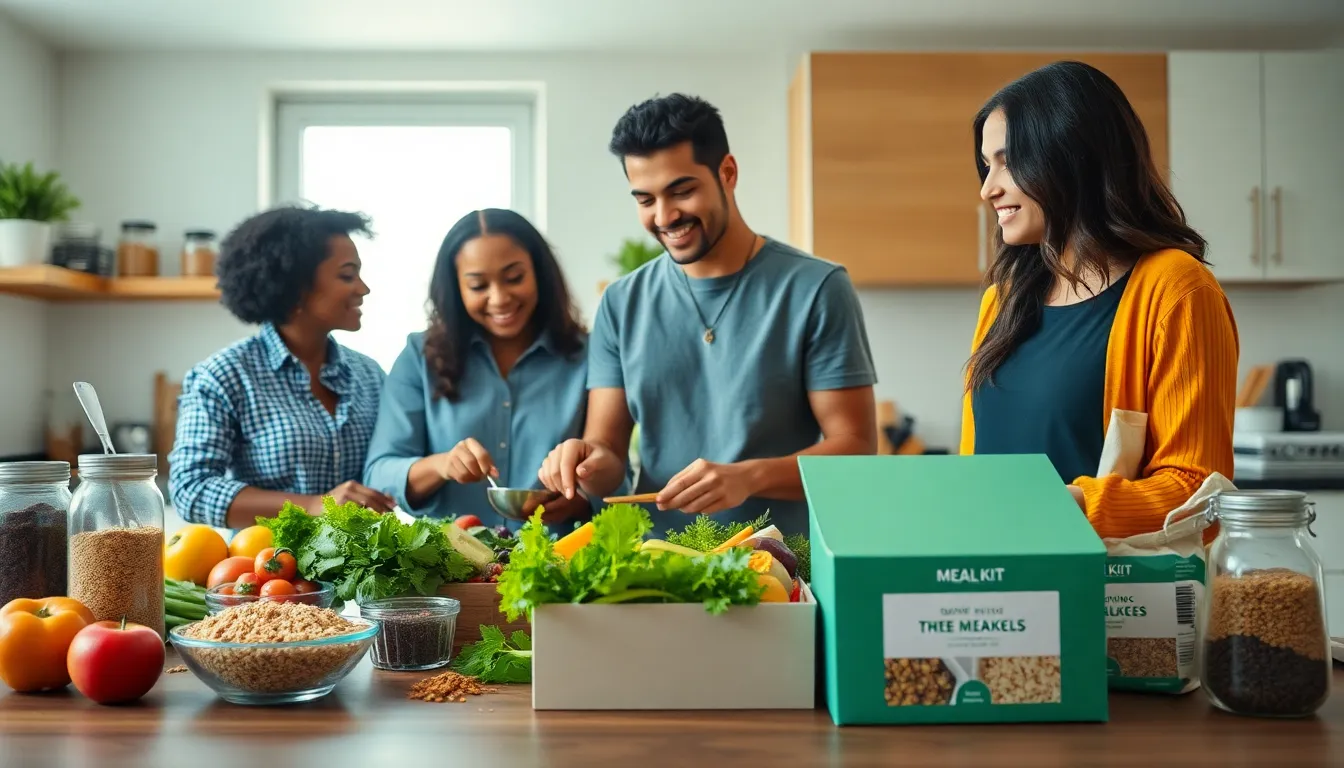
But what happens when health-consciousness meets the frantic pace of modern life? Enter convenience. Ready-to-eat meals and portable snacks have become essential, allowing consumers to eat well without sacrificing time. Meal kits, frozen meals, and on-the-go options are all part of a larger trend. Essentially, food should be quick but still wholesome, and the industry is taking note. Ready-made doesn’t mean compromised quality, consumers are now looking for choices that fit neatly into their busy lifestyles.
Innovations in Food Technology
Plant-Based Alternatives
As the plant-based revolution continues to rise, the food technology sector is busy bridging traditional culinary barriers. Innovations like lab-grown meat and dairy-free alternatives are making headlines. These products promise not just to satisfy, but to revolutionize how people perceive protein. According to recent reports, more than a quarter of consumers are reducing their meat intake for health or environmental reasons. This opens up an exciting frontier for brands to explore, and with the variety of flavors and textures available, the possibilities are endless.
Food Delivery and Meal Kits
In the age of convenience, food delivery and meal kits have become the superheroes of the culinary world, swooping in to save busy weekdays. Companies like Blue Apron and DoorDash have redefined how food can be accessed. With just a few clicks or taps, consumers put together delicious meals right at home without any hassle. This shift toward ready-to-eat meals designed for at-home experiences allows individuals to enjoy high-quality food tailored to their tastes.
Personalization and Customization in Food Products
Today’s consumers are not settling for cookie-cutter offerings anymore. Personalization is the name of the game, and brands are stepping up to make meals fit individual preferences and dietary needs. From customizable toppings at fast-casual restaurants to tailor-made snacks, the options are endless. Data-driven insights allow companies to understand their customers better, delivering exactly what they crave, be it spicy, sweet, or somewhere in between. Personalization empowers consumers to pick and choose, ensuring food satisfaction at every bite.
Global Flavors and Culinary Experiences
Impact of Technology on Food Production
Technology is not just changing how consumers interact with food: it’s transforming how food is produced. Innovations in farming, such as vertical gardens and hydroponics, are paving the way for more sustainable agricultural practices. This means fresher produce and exotic ingredients can easily penetrate markets, enhancing the culinary landscape. As globalization continues to break down borders, consumers are exposed to a smorgasbord of global flavors that were once just dreams.
Food Safety and Transparency
But with great taste comes great responsibility, food safety is paramount. Consumers have a keen interest in knowing what goes into their meals. As a result, companies that prioritize transparency about sourcing, ingredients, and food handling practices find favor among consumers. Labels detailing ingredient origins and production methods resonate in a market that, more than ever, demands honesty. This trend towards transparency results not only in better choices for consumers but increased trust in brands.